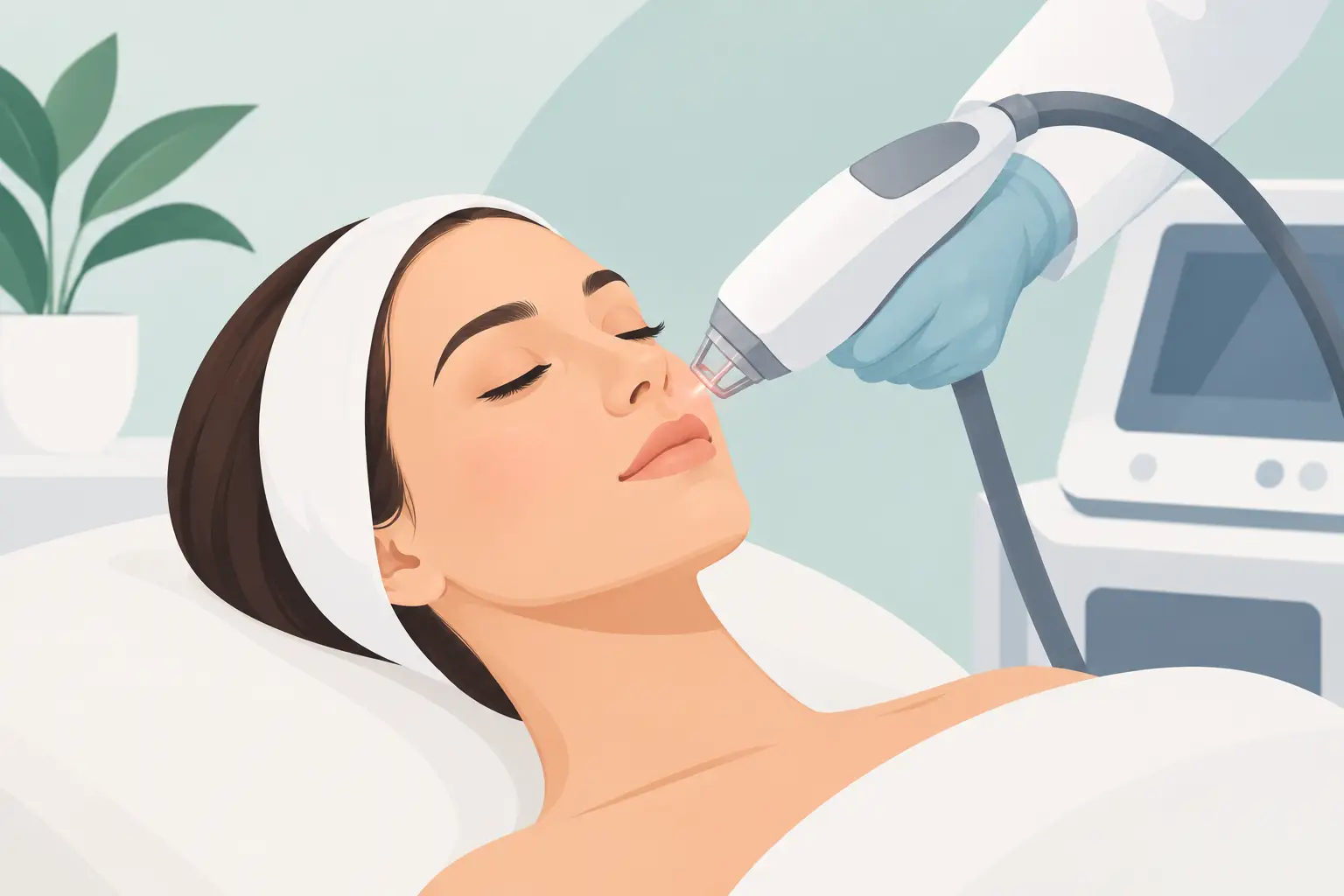
Laser Resurfacing for Smoother, Clearer Skin
Make-up can soften the appearance of uneven texture, but it cannot change the skin’s surface. Laser resurfacing is designed to work at a deeper level, helping to improve concerns such as fine lines, acne scarring, enlarged pores, sun damage and dullness for skin that looks smoother, fresher and more refined.
For many clients, the appeal is not looking different. It is feeling more confident without relying as heavily on filters, foundation or clever lighting. With the right treatment plan and professional aftercare, CO2 laser rejuvenation can be a powerful option for supporting visible, natural-looking skin improvement.
What is laser resurfacing?
Laser resurfacing is an advanced skin rejuvenation treatment that uses focused laser energy to create controlled micro-injuries in the skin. This process encourages the body’s natural repair response, stimulating collagen production and prompting the skin to renew itself over time.
At Faeger Aesthetics, CO2 laser rejuvenation is selected for clients looking for more meaningful skin renewal than topical skincare alone can provide. The treatment can remove damaged surface skin while delivering heat into the deeper layers, where collagen and elastin support the skin’s firmness and texture.
Results develop gradually as the skin heals and rebuilds. While many clients notice a brighter, smoother appearance once the initial recovery period has passed, collagen remodelling continues for several months. This makes laser treatment especially appealing for those who want improvement that looks believable rather than overdone.
What can CO2 laser resurfacing help improve?
No two complexions age or behave in exactly the same way. Some clients are mainly concerned by fine lines around the eyes or mouth, while others feel that old acne scarring, rough texture or pigmentation makes their skin look tired. A consultation is essential because the best approach depends on your skin, goals, lifestyle and tolerance for downtime.
CO2 laser resurfacing may be considered for concerns including:
Fine lines and crepey texture, particularly around the eyes and mouth
Acne scars and other uneven textural scarring
Enlarged pores and rough skin texture
Sun damage, dullness and uneven tone
Skin laxity and loss of firmness in suitable areas
General skin quality for a fresher, more polished appearance
The treatment is not a substitute for a surgical facelift, nor should it be viewed as a quick fix before an important event. Its strength lies in improving the quality of the skin itself. For clients seeking a more refreshed overall appearance, this can make a significant difference.
Why a personalised consultation matters
A good laser result starts well before the appointment. Your practitioner needs to understand what you would like to improve, how your skin has responded to treatments in the past and whether there are factors that could affect healing.
Skin tone, sensitivity, pigmentation history, active breakouts, cold sores, medical conditions and certain medicines can all influence whether treatment is appropriate and which settings are safest. People who are prone to post-inflammatory pigmentation, for example, may need particularly careful planning and preparation. In some cases, another treatment or a gentler approach may be more suitable.
Your consultation should also be honest about the difference between improvement and perfection. Laser resurfacing can soften scars and lines, improve texture and restore radiance, but it cannot erase every mark or stop the skin ageing. The most satisfying results come from a treatment plan built around realistic expectations and your individual features.
What happens during treatment?
Before your appointment, you will receive guidance on how to prepare your skin. This may include pausing certain active skincare products and avoiding unnecessary sun exposure. Following these instructions helps reduce irritation and supports a more predictable recovery.
On the day, the skin is cleansed and a suitable topical numbing cream is applied to maximise comfort. The laser is then passed carefully across the treatment area using settings chosen for your skin concerns and desired level of resurfacing. Clients often describe the sensation as heat or tiny pinpricks, but the experience varies depending on the area being treated and the intensity required.
The appointment length depends on the size of the area. Full-face treatment naturally takes longer than targeting smaller concerns, such as lines around the mouth or acne scarring on the cheeks. Your practitioner will talk you through what to expect so you feel informed and supported throughout.
Downtime: plan for healing, not hiding
The most common question is usually, “How long will I be red?” The answer depends on the depth of treatment, your skin’s natural healing response and the area treated. CO2 laser resurfacing involves genuine recovery time, and it is worth planning for it rather than trying to squeeze it between social events.
Immediately afterwards, skin can feel warm and appear red or swollen, rather like a strong sunburn. Over the following days, you may experience dryness, tightness, flaking or light crusting as the skin renews. This is a normal part of the healing process, but it requires patience and careful aftercare.
Many clients allow around one to two weeks before they feel comfortable returning to normal social plans, although residual pinkness can last longer for some people. More intensive treatments may require additional downtime. Your practitioner will give you personalised guidance, rather than promising a one-size-fits-all recovery timeline.
Aftercare protects your result
Laser aftercare is not an optional extra. Freshly treated skin is more vulnerable, so how you care for it can influence both comfort and outcome. You will be advised on appropriate products, gentle cleansing and when it is safe to reintroduce your usual skincare routine.
In the early stages, keep things simple. Avoid picking, scrubbing, exfoliating acids, retinoids, fragranced products, heat and strenuous exercise unless your practitioner advises otherwise. Do not use make-up until you have been told it is appropriate, as applying it too early can irritate compromised skin.
Sun protection is especially important. UV exposure can increase the risk of unwanted pigmentation and can undo much of the progress made through treatment. Daily broad-spectrum SPF should become a non-negotiable part of your routine, alongside hats and shade where practical.
It is also important to contact your practitioner if you are concerned about unusual pain, increasing swelling, signs of infection or any reaction that does not seem consistent with the aftercare advice you have been given. Safe, high-quality aesthetic care includes support beyond the treatment room.
How many treatments will you need?
Some clients see a worthwhile improvement after one CO2 laser treatment, particularly when addressing general texture, fine lines or dullness. More established acne scarring, deeper lines or significant sun damage may benefit from a course of treatments or a combination plan.
Spacing matters because the skin needs time to heal and produce new collagen. A practitioner may also recommend complementary treatments at the right stage, such as skin tightening or radio frequency microneedling, depending on your goals. This does not mean more is always better. The right plan is the one that respects your skin while working towards a clear, achievable outcome.
Is laser resurfacing right for you?
Laser treatment can be an excellent choice if you are looking for visible improvement in texture and quality, and you can commit to the recovery and aftercare involved. It may be less suitable if you need immediate social downtime, have an active skin infection, cannot avoid sun exposure or have a skin concern that requires medical assessment first.
The safest next step is a professional consultation with a fully trained and insured practitioner who will assess your skin rather than simply sell a treatment. At Faeger Aesthetics, every recommendation is tailored around your concerns, comfort and confidence goals.
Beautiful skin does not need to look filtered or flawless to make an impact. It needs to look healthy, cared for and like your skin at its best - and the right treatment plan can help you move towards that with confidence.


Comments